Commercial Cleaning Company MWAC
You must have routine sanitation scheduled according to risk factors, food processing capacity, food allergen presence, and health inspections, plus verification documentation demonstrating HACCP compliance, regulatory audits, and government health requirements. The following sections describe critical cleaning system elements.
Main Points
- Food safety cleaning technicians in Brampton support restaurants, grocery departments, commissaries, warehouses, bakeries, schools, mobile vendors, and allergen-sensitive operations.
- Cross-contamination reduction is ensured by treating frequently contacted areas, food-contact equipment, kitchens, floors, drains, restrooms, and storage areas with compartmentalized approaches.
- Trained providers check approved sanitizer dilution, suitability, and exposure duration, then document completion with checks, assessments, and action records.
- Threat, output capacity, format changes, incidents, and standards need to guide maintenance timelines, with routine, periodic, and periodic operations allocated by area.
- Highlight suppliers showing hazard analysis knowledge, health regulatory expertise, safety training preparation, coverage, testimonials, color-categorized instruments, and assessment-ready hygiene records.
Food Safety Cleaning Requirements for Brampton Venues
You must maintain food safety cleaning if your operation is covered by public health inspection, food premises regulations, or internal HACCP-based controls. This covers restaurants, cafeterias, commissaries, grocery food departments, butcher shops, seafood counters, convenience stores, and institutional kitchens.
Compliant food safety cleaning is additionally essential in storage warehouses, production plants, freezer facilities, bakeries, school nutrition services, reception halls, and meal delivery centers. Mobile and temporary operations apply similarly, like catering vehicles, festival sellers, and pop-up stands. Your venue demands recorded sanitation procedures when your workers prepare supplies, portion completed foods, reheat products, get the full story or manage allergen records. In Brampton, cleanliness continues to be not optional; it comprises lawful, operational, and customer protection adherence.
Which Areas Do Brampton Cleaning Experts Cover?
You require experienced cleaning professionals who disinfect high-touch surfaces, cooking areas, floor areas, and restroom facilities to ensure compliance with food safety and health standards. These areas are targeted because they carry the greatest contamination risk, slip and fall dangers, and regulatory breaches.
By understanding their service scope, you can make sure your operation's sanitation protocols meet compliance standards.
High-Touch Surface Cleaning
Expert Brampton facility managers understand that high-touch surfaces call for disinfection since these areas accumulate microbes and organic residue. You need a formal plan for cleaning frequently touched items like handles, plates, switches, railings, equipment controls, payment terminals, and fridge pulls. Implementing area assessment techniques, professionals identify every frequently handled point and determine cleaning schedule
Preventing contamination spread by swapping cloths, using sequential cleaning patterns, and separating disinfection materials by location ensures your sanitation plan stays quantifiable, documented, and ready for inspection.
Kitchens, Floors, and Restrooms
Professional cleaners in Brampton concentrate on kitchens, floors, and restrooms given that each location involves specific contamination control, falling hazards, and public health requirements. In industrial kitchens, you need degreasing on cook lines, equipment exteriors, drains, prep surfaces, and splash zones to minimize bacterial growth and pest activity.
Documented floor maintenance is likewise provided as part of the service.
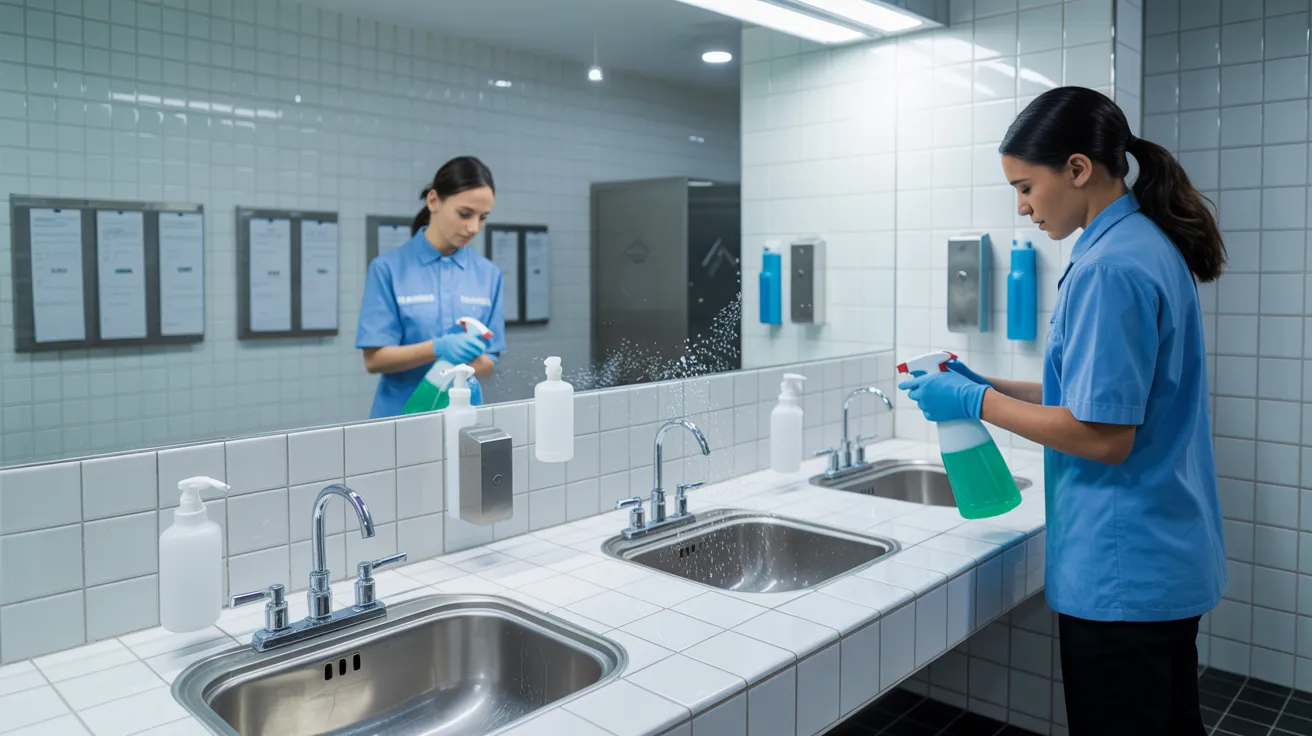
Restroom sanitation involves disinfecting surfaces, fittings, separators, dispensers, and containers, restocking supplies and controlling odours. They also maintain restaurant cleaning supply rooms where product storage, sink cleanliness, and drain systems impact daily sanitation standards and worker protection.
How Food Safety Cleaning Benefits Brampton Operations
Brampton operations demand proper hygiene standards to fulfill compliance obligations and pass audits. You also minimize cross-contamination by cleaning and sanitizing food-contact surfaces, equipment, and high-touch areas correctly. Most importantly, you safeguard community wellness by reducing the chance of food poisoning in your establishment.
Health Code Compliance
Since Brampton food companies must follow mandatory safety protocols, your cleaning procedures directly influences your capacity to satisfy health codes, ensure the safety of diners, and avoid regulatory penalties. You must maintain sanitary food-contact surfaces, written maintenance records, safe chemical management, and traceable training practices that meet municipal and provincial inspection expectations.
Retaining comprehensive sanitation documentation shows due diligence for inspection audits and confirms that your practices are standardized, reproducible, and documented.
Cross-Contamination Prevention
Adhering to regulatory guidelines requires your expertise in stopping cross-contamination throughout daily food handling and cleaning. You need to separate raw ingredients from ready-to-eat foods, clean prep surfaces between tasks, and store cleaning supplies separately from food. Structured procedures reduce transfer risks and maintain ongoing regulatory adherence.
You might establish allergen separation to stop main allergens from reaching common areas, containers, or machinery. Apply separate boards, color-marked equipment, and strict utensil labeling so staff don't mix items throughout cooking or delivery. Mandate handwashing after handling uncooked meat, fish, egg products, or allergens. Swap cleaning rags frequently, and test disinfectant concentration using strips. When employees learn these procedures each shift, you create a cleaner, safer operation that matches Brampton's safety requirements daily.
Community Health Protection
When sanitation protocols fails, you don't just risk a failed inspection—you increase the chance of foodborne illness affecting customers, staff, and the wider Brampton community. You also undermine your responsibility in protecting public health, especially in high-traffic food premises where contamination can spread quickly through surfaces, equipment, and touchpoints.
You require sanitation protocols that remove contaminants, sanitize properly, and verify outcomes. This involves adhering to contact periods, employing authorized sanitizers, logging schedules, and training employees to satisfy regulatory standards. These controls promote pathogen reduction by decreasing microbes before reaching food or hands. Across Brampton, effective sanitation safeguards vulnerable groups, reduces disease potential, and demonstrates accountability. When you follow standards, you exceed regulations—you substantially lower hazards and enable safer food service throughout the area.
How Can Cleaning Practices Ensure Food Safety Compliance?
Prioritizing strict sanitation practices reinforces food safety compliance by reducing contamination risks, managing pathogen expansion, and positioning your facility in accordance with sanitation requirements under HACCP-based programs and public health regulations. You verify that food-handling surfaces stay visibly clean and microbiologically controlled, facilitating documented preventive controls and inspection readiness.
Well-executed cleaning efforts also enhance allergen control by clearing residues that can cause undeclared allergen exposure.
How Ought You Plan Commercial Cleaning Services?
Schedules for cleaning are most successful when established based on risk, production volume, and regulatory requirements instead of just a set calendar.
handled independently
How Do You Choose Brampton Cleaning Experts?
Evaluate providers first by food-safe sanitation requirements rather than cost. You must ensure each provider understands CFIA, public health, and HACCP requirements for your business. Request insurance proof, WHMIS compliance, staff training documentation, and supervision methods. Check technician understanding of contamination prevention, chemical safety, and traceable sanitation records.
You should further examine service consistency and answerability. Request testimonials from Brampton food businesses, then review response times, corrective-action procedures, and communication standards. Validate the company supports supplier audits and can supply compliance documentation to regulators or external parties. Confirm equipment is maintained, colour-coded tools are applied correctly, and site-specific hazards are recognized. A qualified provider protects compliance, product integrity, and your reputation in the market.
What's covered in a Food Safety Cleaning Plan?
Develop a written strategy that clarifies every sanitation responsibility, standard, and task before production begins. You should outline cleaning frequencies, approved chemicals, dilution rates, contact times, tools, and verification methods for each zone, surface, and piece of equipment. Include pre-operational inspections, corrective actions, and employee training requirements.
Your plan should also include cross-contamination controls, waste handling, pest-prevention measures, and documented schedules for bathrooms, drainage, ground surfaces, and food-handling zones. Clarify how you'll distinguish raw from ready-to-eat operations, help with ingredient tracking, and maintain accurate allergen labeling through validated cleaning between product changes. You should establish accountability, maintain signed records, and review results against regulatory standards, HACCP controls, and customer requirements. When gaps appear, revise procedures immediately and re-educate staff.
Popular Inquired Inquiries
Can cleaning services support nighttime operations in Brampton facilities?
Yes, you can book sanitation coverage to support overnight shifts in Brampton facilities. You'll coordinate nighttime cleaning around operational windows, security protocols, and personnel needs. Services typically establish overnight logistics to minimize disruption, stay compliant, and track completed work. You should verify response times, management, lockout protocols, and disposal procedures before starting service.
Do Brampton cleaning experts provide hazard containment solutions?
Yes, you can locate several Brampton cleaning professionals offering emergency response services. They handle contamination, assess dangers, isolate zones, and perform swift decontamination to reduce exposure and limit operational impact. You should verify response times, training credentials, safety measures, and disposal methods. If your facility needs compliance, pick a provider that documents incidents, follows procedures, and supports audits.
Do plant-based disinfectants perform safely on food-handling equipment?
Absolutely, plant-based sanitizers are appropriate for food preparation areas when you select disinfectants approved for food contact and complying with regulations. You must check exposure duration, dilution rates, and rinse protocols in advance of use. Botanical formulations lower harsh chemical exposure, though you still need evidence of effectiveness against target microorganisms. For preserving residue-free areas, adhere to manufacturer instructions exactly and validate the sanitizer complies with food sanitation requirements.
Can sanitation programs change with production fluctuations?
Certainly, cleaning schedules adapt to seasonal production changes readily. Adjust intervals, labor allocation, chemicals, and validation steps to fit with seasonal patterns while maintaining regulatory requirements. Limit production downtime via planning disinfection amid line changes, maximum output, and usage cycles. Additionally modify SSOPs, training, and environmental monitoring to account transient threats, novel allergens, or elevated soil levels. Periodic assessments ensure your program functional.
Will commercial cleaners teach employees on hygiene best practices?
Yes, commercial cleaners often train your team on sanitation best practices. You receive staff training on correct chemical application, contact times, cross-contamination prevention, equipment disassembly, and documentation. They typically align training with HACCP, GMP, and CFIA or local public health requirements. Many perform sanitation audits to confirm adherence, spot deficiencies, and strengthen remedial steps. This allows you to maintain consistent procedures, succeed in audits, and reduce food safety risks daily.
Conclusion
Through engaging Brampton commercial cleaning and food safety specialists, you accomplish much beyond organizing—you ensure your facility for inspections and your procedures stay aligned with regulations. From production floors to kitchens, all maintained surfaces and organized zones reduce contamination risks and prevent significant costs. Through scheduling maintenance on suitable timelines and sticking to a solid cleaning plan, you safeguard your team, clients, and your standing. In a tightly controlled regulatory landscape, clean conditions cannot be considered optional—they are fundamental to success.